 After
Before
After
Before
Driveway Resurfacing - Adelaide
Discover resin-bound stone—a completely new look for your driveway, installed over suitable existing hard surfaces. Beautiful, permeable, and built to outlast South Australia's climate.
The Problem
Most resurfacing enquiries come from homeowners who want a cleaner finish without the cost, mess and downtime of full reconstruction. The catch is simple: overlay only performs well when the existing base is stable enough to keep.
That is why we start with the slab, not the colour sample. We inspect movement, cracking, drainage, thresholds and access first, then tell you whether resurfacing is viable, what prep is required, or whether replacement is the safer call.
The page is designed to give you that same decision logic upfront before you book a site visit.
Visual Proof
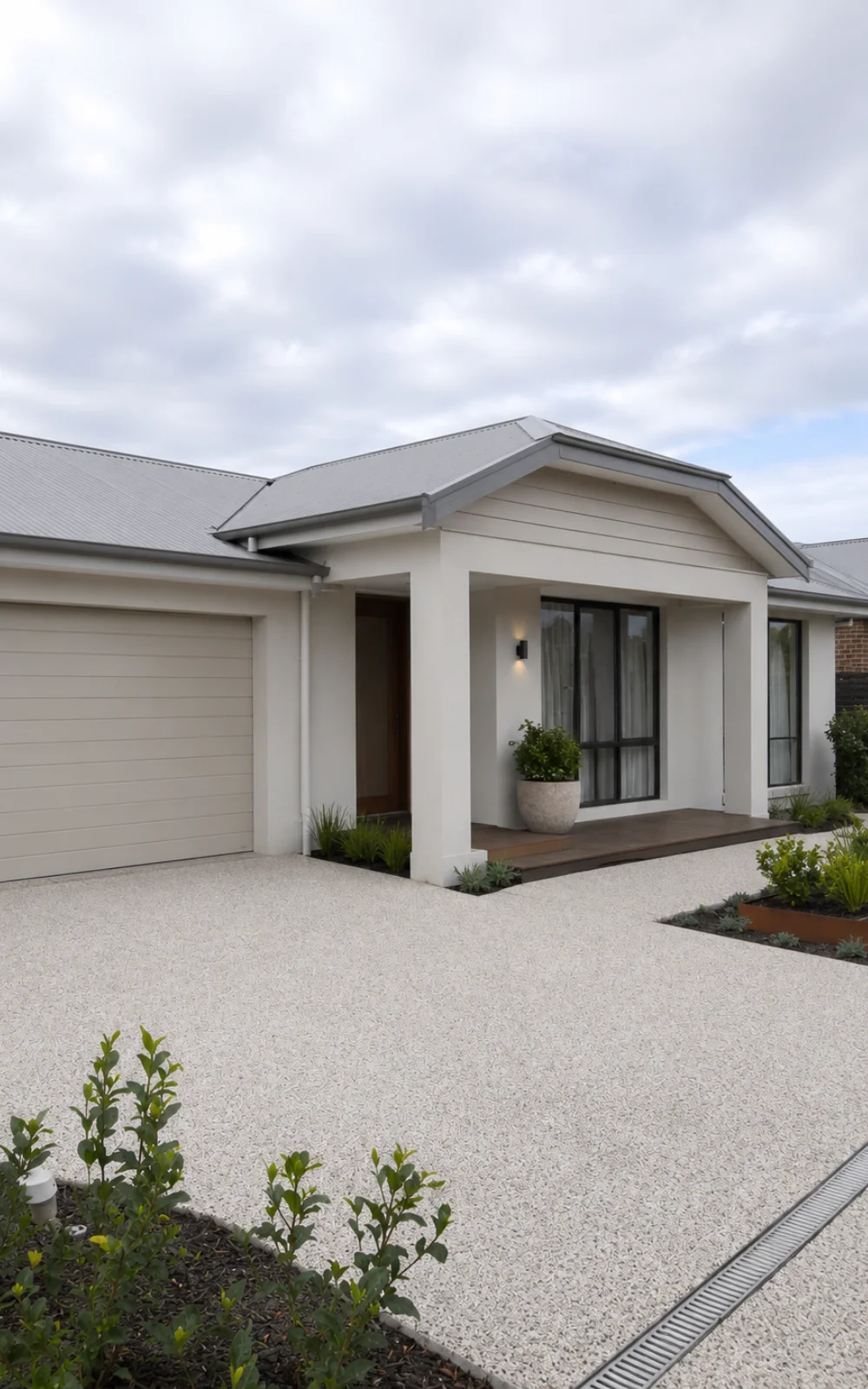
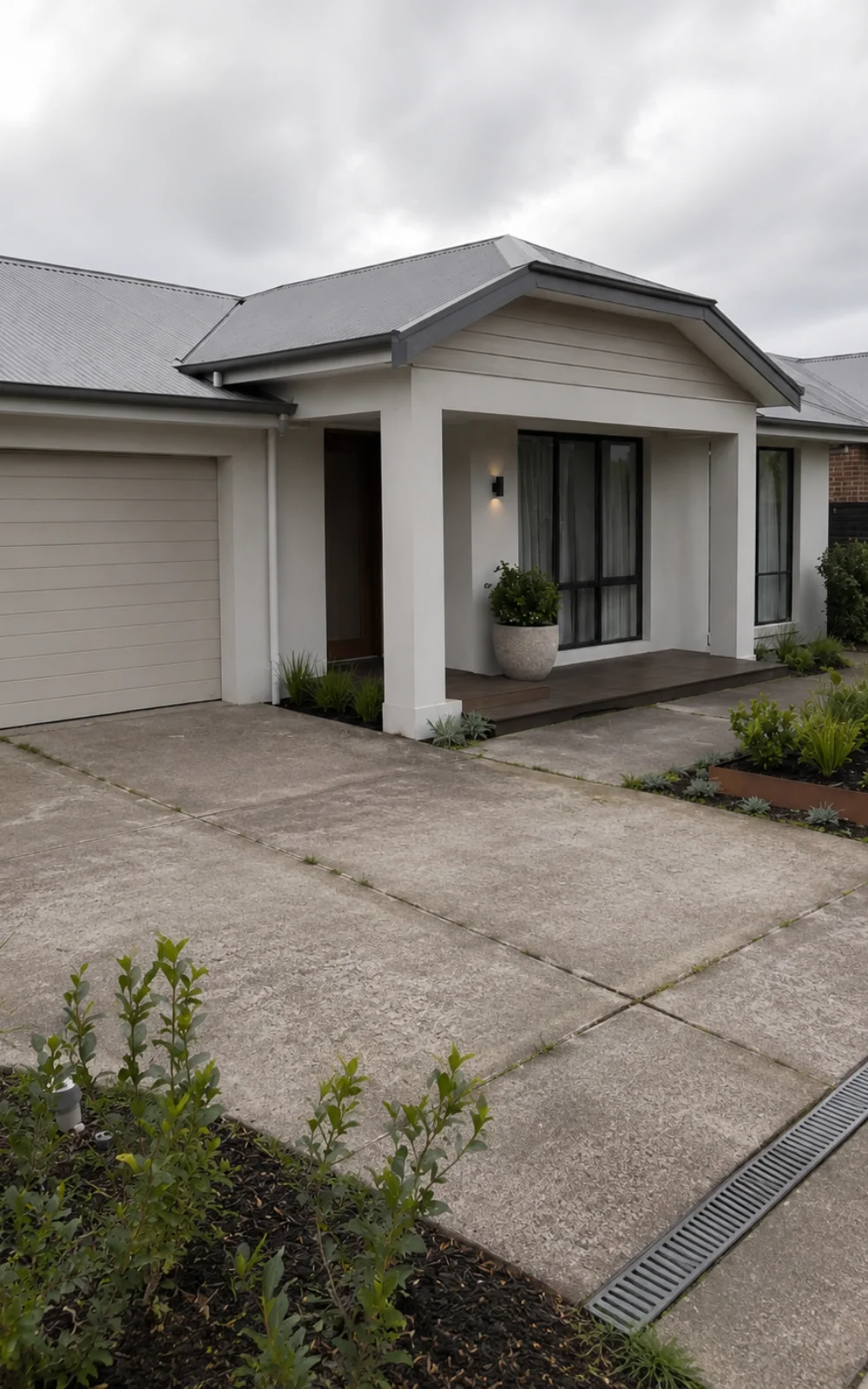
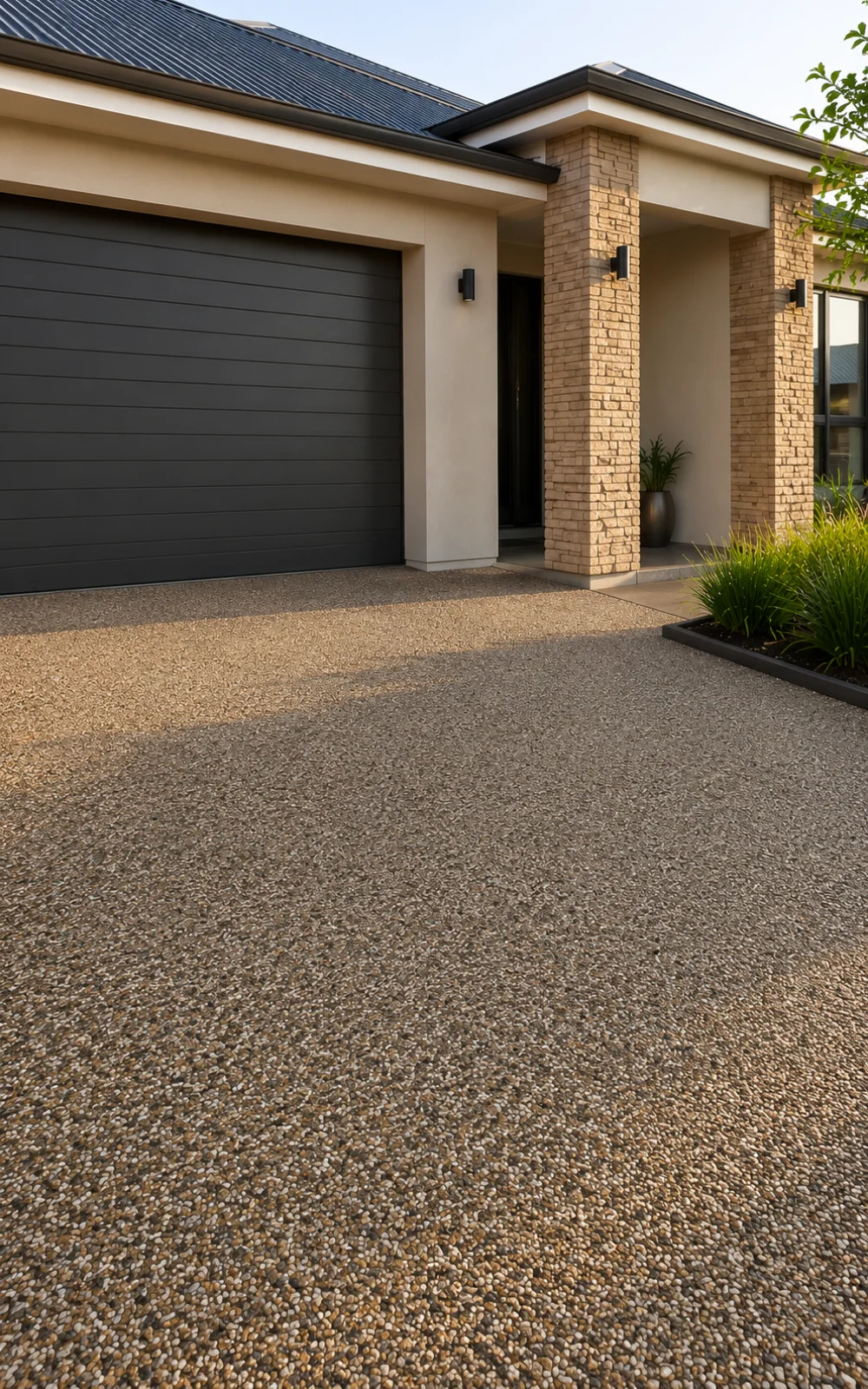
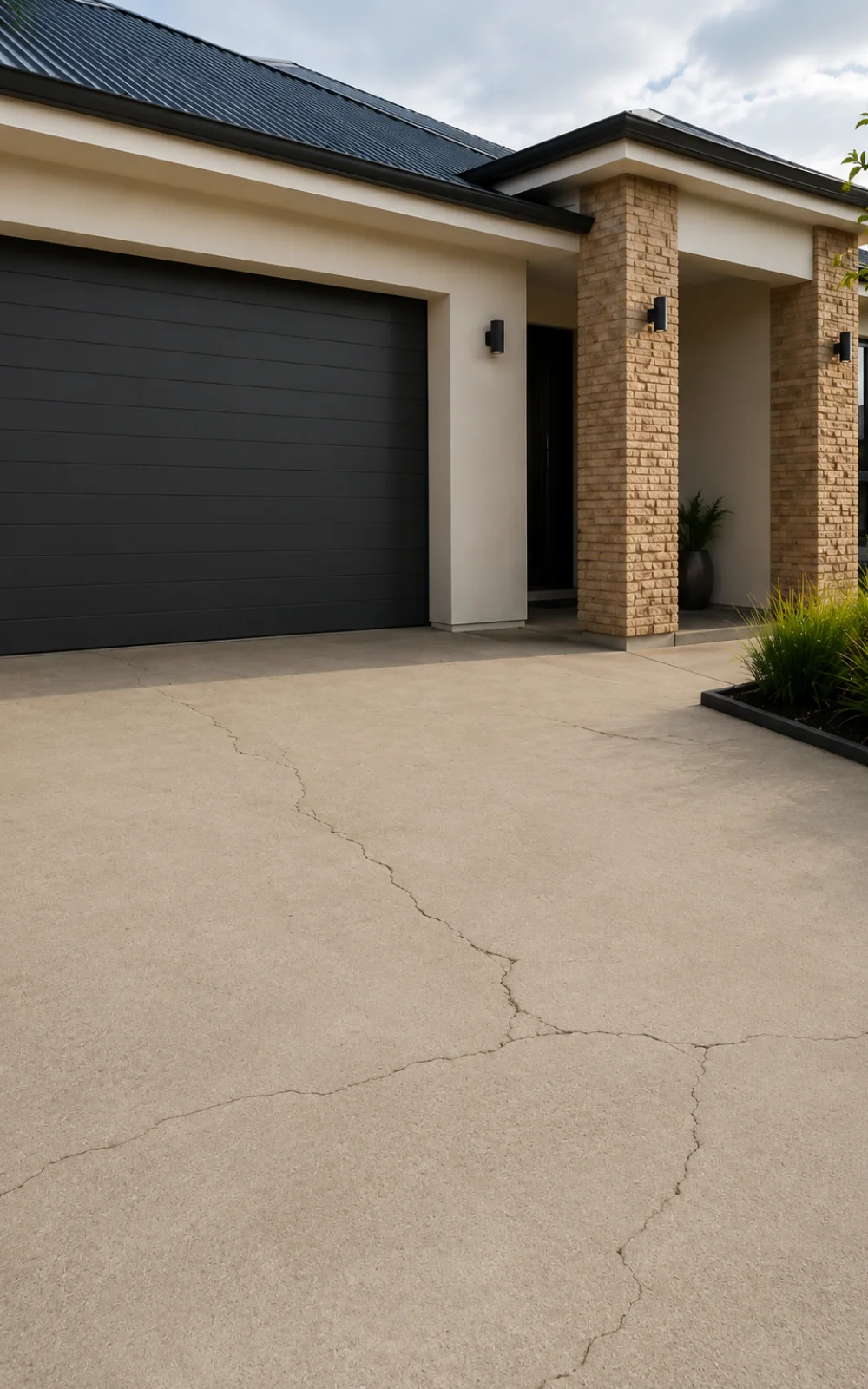
The finish upgrade can be dramatic. These examples show the difference between a tired existing driveway and a completed resin-bound resurfacing outcome.
Tap any card to reveal the original surface.
After
Before
 After
Before
After
Before
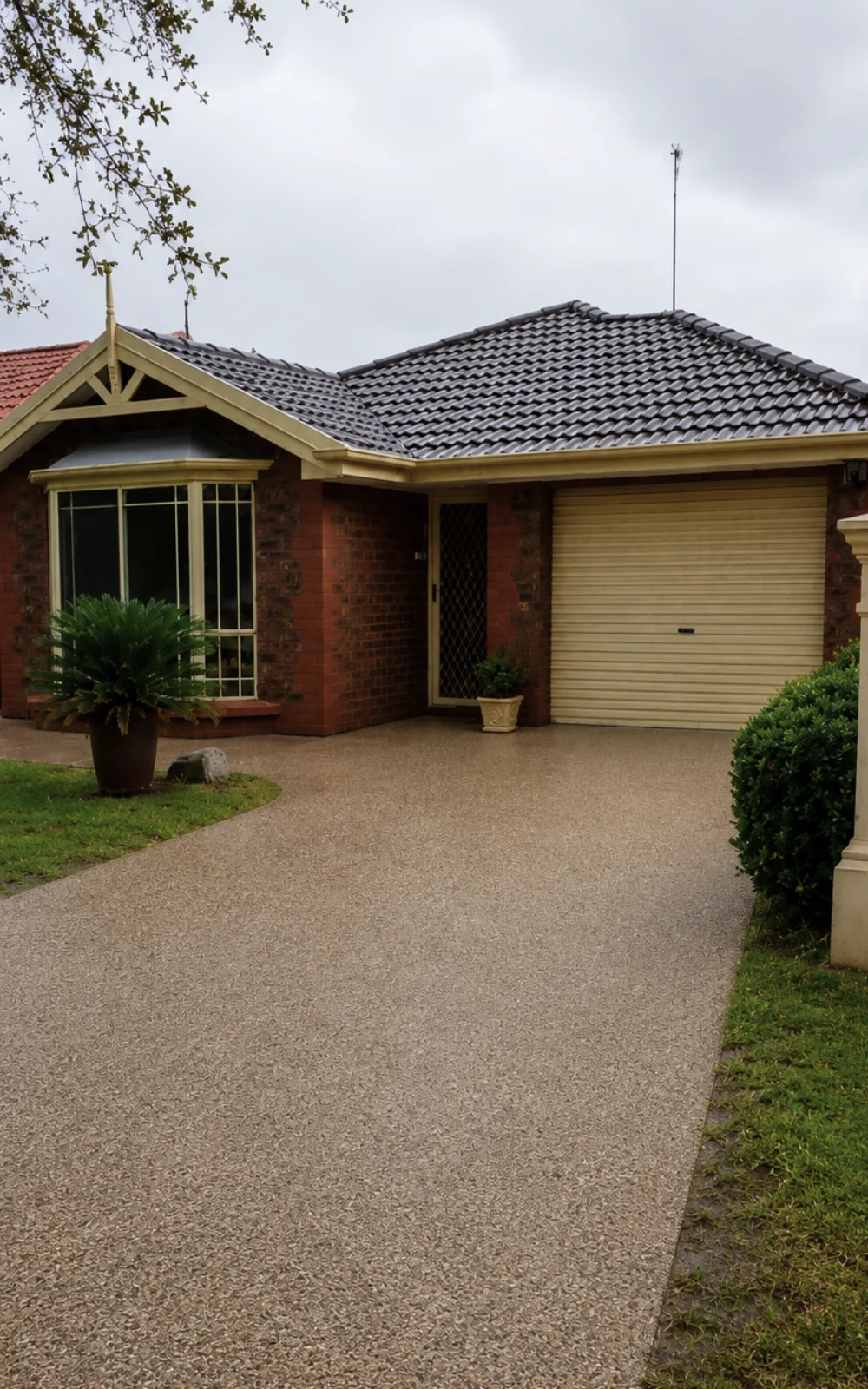
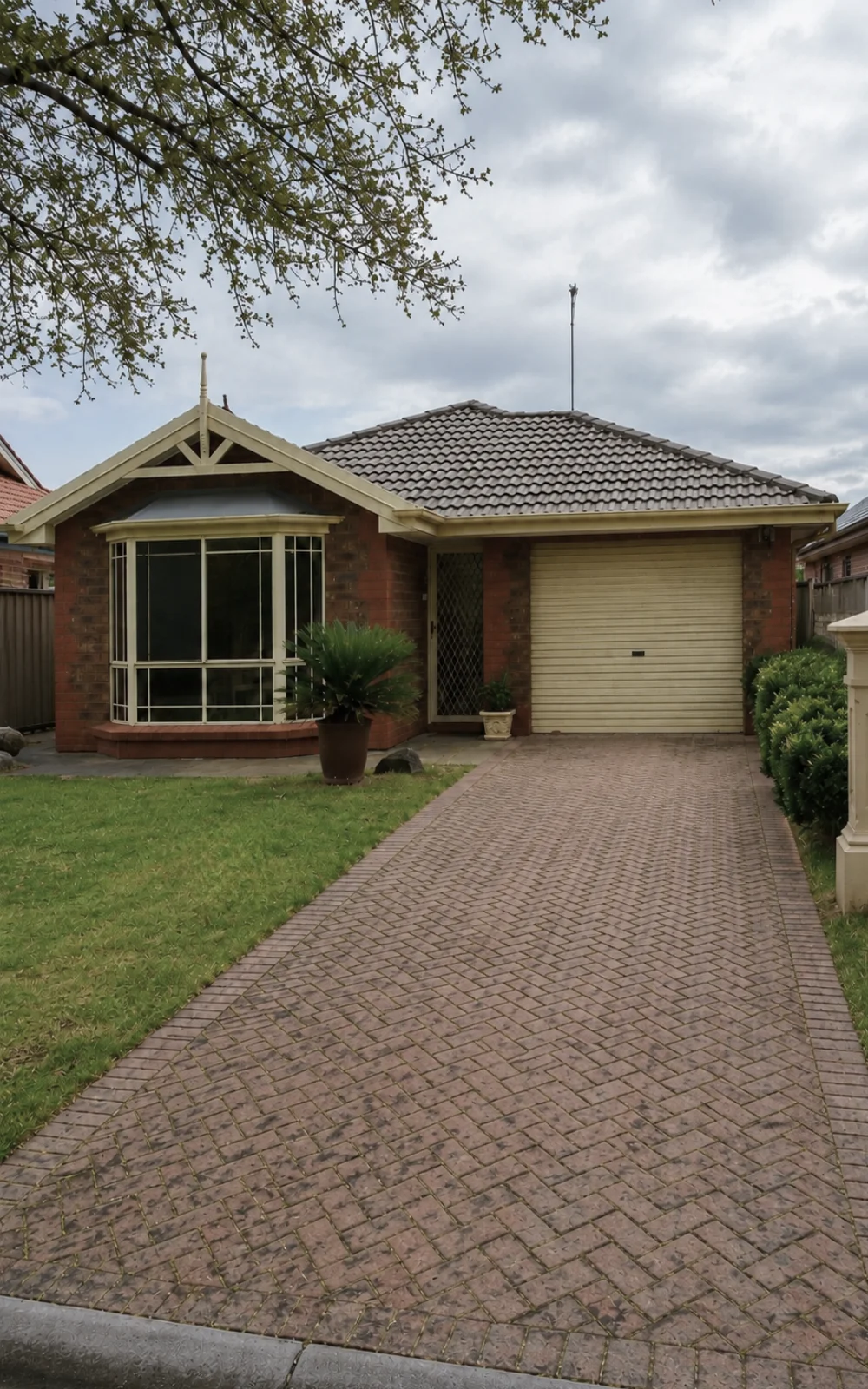 After
Before
After
Before
Resurfacing improves what you see on top, but only works long term when the surface underneath has been correctly assessed and prepared.
Why Resurfacing
When the slab still has structural value, resurfacing can preserve the base, lift street appeal and avoid the disruption that comes with full demolition and replacement.
| What matters to you | Resin-Bound Overlay resurfacing | Concrete Rip up & replace | Pavers Lift & relay | Epoxy Surface coating |
|---|---|---|---|---|
| Can retain a suitable existing baseKeep the base | ✓ | ✗ | ✗ | ✓ |
| Lower-disruption install where the slab is soundLower disruption | ✓ | ✗ | ~ | ✓ |
| Premium finish that fully changes the street appealPremium finish | ✓ | ~ | ~ | ✗ |
| Solves underlying slab movement by itselfFixes base failure | ✗ | ✓ | ~ | ✗ |
| Can support a drainage-friendly resurfacing strategyDrainage-friendly | ✓ | ✗ | ~ | ✗ |
| Best when the existing slab still has structural valueNeeds a sound slab | ✓ | ✗ | ✗ | ✓ |
✓ Yes · ~ Limited · ✗ No
Suitability First
Overlay is more likely to be the right path when the existing slab still has structural value. The site visit is designed to separate good resurfacing candidates from surfaces that need deeper repair or removal.
Substrate condition, drainage, access, edging, transitions into garages and the prep needed for long-term performance all affect whether overlay is practical.
A clear recommendation on overlay suitability, the likely prep scope, and a written quote if resin-bound resurfacing is the right fit.
What You Get
This page is not selling overlay at any cost. It is built around the question that matters: is resurfacing genuinely the better move for this specific driveway?
We start with cracks, movement, drainage and edge condition before discussing colour or finish.
You get a straight answer on whether overlay is appropriate, risky or the wrong path entirely.
Repair layers, membranes, drainage refinement and threshold work are clarified before quoting.
If the site is suitable, we explain blend options and the look you can actually achieve.
You receive a clear scoped quote rather than a vague promise that everything will be sorted later.
Cost Guidance
Pricing is shaped more by condition and prep scope than by the word resurfacing alone. The written quote is built around what the driveway actually needs.
Stable slabs are simpler to price. Movement, repairs or prep layers change scope quickly.
Transitions, thresholds, falls and channel drain details often shape the real labour involved.
Blend choice affects finish, material supply and the overall driveway specification.
Tight access, long material runs or difficult site logistics can increase install effort.
Our Process
From the first conversation to final handover, we keep your project clear, professional, and focused on a lasting result.
We discuss your project, review the existing surface, and understand the finish you want.
We recommend the right system, colour, and details, then provide a clear written quote.
Our experienced team prepares and installs your new surface, then completes a tidy handover.
Colour Selection
Once the existing slab is approved for overlay, we guide you through the aggregate blends that suit the facade, edging and overall street presence of the home.
During your $0 Consultation Fee appointment, we bring sample blends to help you judge which finish will look right once the tired slab is resurfaced.
Social Proof
Real Adelaide feedback about honest quoting, tidy installs, and resurfaced driveways that changed the whole frontage.

MW PARTNERSHIPS
Ben at Gorilla Surfaces was very knowledgeable and super helpful during our resurfacing project. Couldn't recommend this team more if you need resurfacing done!

Jack Perchard
Fantastic experience from start to finish. Liam was upfront about everything, pricing, timeline, and what to expect. The quote was accurate, and there were no hidden extras. The team were punctual, professional, and incredibly tidy. They cleaned up at the end of each day, and you'd barely know they'd been here. The driveway looks incredible, the colour matched the samples exactly. Completed in under two days. Highly recommend.

Jamilla Starr
Communication was excellent. Ben from Gorilla was very insightful when he first came, he provided us with a lot of information, and made it really easy to pick the best path forward 😊. The actual installation took around 2 days, which was much quicker than we had expected. The workers were considerate and clean. Couldn't be happier with the new resin-bound drive.

Asher Mather-Neill
This whole process was seamless from start to finish. Communication was great from the Gorilla Surfaces team, pricing was excellent, and the work was started and finished in the timeline given. We absolutely love our new resurfaced pool area and walkways, and highly recommend GS for any resurfacing job. We went from dingy to fantastic in a couple of days, thanks to Ben and Liam!

Casey Mifsud
Really happy with how our front path and porch turned out. Went with Gorilla Surfaces and glad we did. Ben was easy to deal with from start to finish, and his team did a really clean job. Looks exactly like the colour sample we picked. Good communication, showed up on time, left everything tidy. Would definitely use again

Bryce Summerton
From the quote to clean up everything was clear and on time. The Gorilla team were very supportive with their feedback and recommendations. Very knowledgeable crew! The new finish has completely lifted the street appeal of our home.
FAQs
Clear answers to the questions Adelaide homeowners usually ask before booking a resurfacing check.
Return-to-use depends on curing conditions, including weather, temperature, resin system and project scope. We confirm timing at hand-over for your specific install.
That depends on what is causing the cracking. Minor stable cracks can often be managed with preparation, but active movement may require additional intervention or may rule out overlay.
Requirements vary by property and council context. We recommend confirming with your local council where permits may apply, especially around kerb, verge or access interfaces.
Resin-bound systems can support drainage-friendly design when installed over a suitable permeable base and drainage approach. Final permeability depends on the full build-up, drainage design and site conditions.
Partial resurfacing is possible in some projects, but whole-driveway resurfacing often gives a more consistent finish and better overall visual result.
Send the short form below and we will assess the existing base, explain the prep required and quote the right scope for the driveway you actually have.
Prefer to call? 0488 696 556
