A useful quote should tell you what will be installed, what preparation is assumed and what is excluded. Two Adelaide driveways with the same area can require different work because their bases, access, edges, drainage interfaces and layouts are different.
Compare each quote against the same brief. Separate essential preparation from optional choices such as borders, inlays or particular aggregate blends, and ask for every assumption to be stated in writing.
For Gorilla Surfaces' indicative square-metre guidance and minimum project charge, use the Adelaide resin-bound driveway cost guide. This article has a different job: helping you compare the scope behind competing quotes.
Start with the same project brief
Give each contractor the same measured area, current-surface details, photos, access constraints, preferred finish and expected use. If one quote assumes a suitable concrete base and another includes substantial preparation, their totals are not directly comparable.
Ask for the measured scope, preparation, surface specification, edges and transitions, drainage interfaces, access or staging restrictions, cure guidance and exclusions. The quote should also explain how additional work will be approved if hidden conditions appear.
Gorilla Surfaces installs resin-bound resurfacing over suitable stable existing bases; concrete is preferred, asphalt may be accepted, and stable pavers are considered case by case. New-base construction, full replacement and standalone repair work are outside that scope.
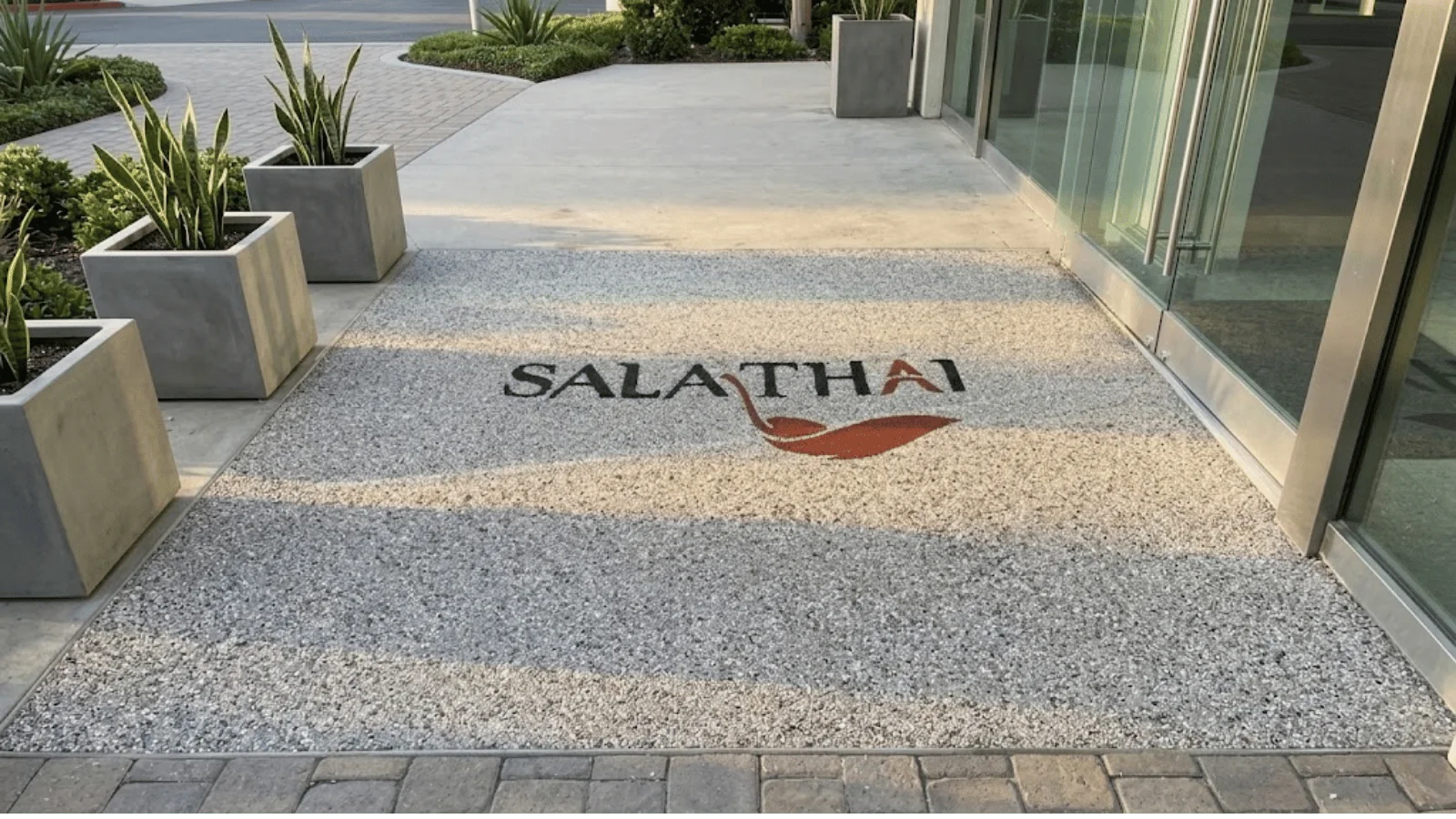
Compare the existing-base assumptions
Base condition can materially change the work required before resurfacing. A stable base that needs normal preparation is different from one with movement, widespread failure, contamination or unresolved drainage problems.
Initial photos help qualify the project, but they cannot confirm every condition or measurement. Ask whether the quote is provisional until a site assessment and whether non-ideal base preparation will be quoted separately.
Access constraints also matter. Long carry distances, limited parking for equipment, and requested staging can change labour and sequencing. If vehicle or pedestrian access must be retained, confirm whether staging is feasible rather than assuming it is included.
| Scope item | Low impact on cost | High impact on cost |
|---|---|---|
| Base condition | Suitable, stable base needing normal preparation | Movement, structural cracking or failed sections that may be unsuitable |
| Drainage | Existing falls and outlets suit the proposed resurfacing | Unresolved ponding, outlet or threshold issues |
| Access | Open vehicle and crew access | Tight or staged access constraints |
| Edge work | Simple straight perimeter | Complex curves and transitions |
Check the measured area and minimum project charge
Area affects material quantities, but pricing is not always linear. Setup, preparation, access and detailed edges still apply to small areas, while larger uninterrupted areas may allow a more efficient workflow.
Confirm how the area was measured and whether a minimum project charge applies. Gorilla Surfaces' indicative residential guidance uses a minimum project charge based on 20 m²; the linked cost guide owns the current rate and explains how that basis is applied.
If you are early in planning, pair this with driveway design concepts so layout changes can be considered before quoting, not after.
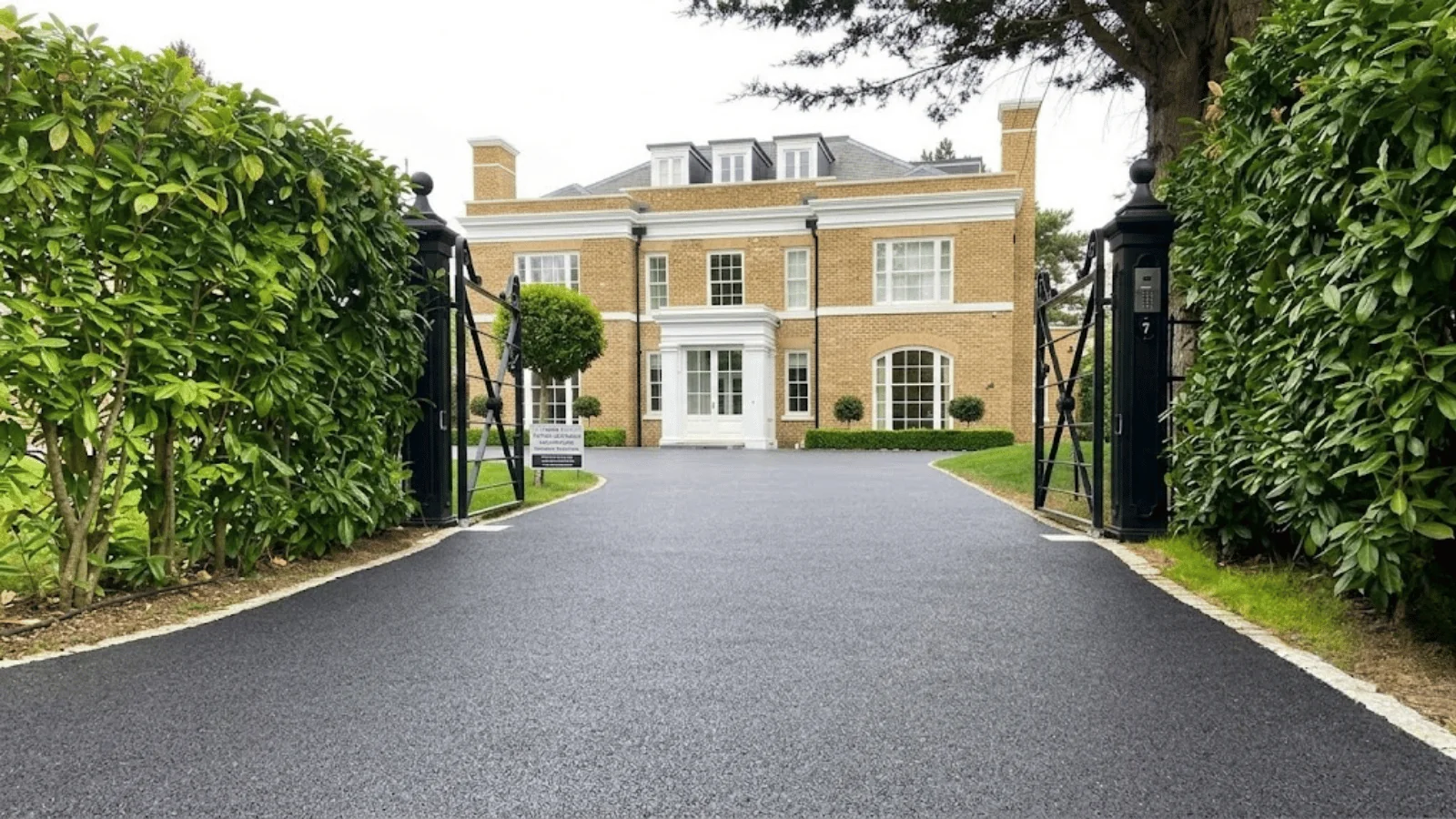
Separate design choices from essential work
Borders, inlays, contrasting blend zones and particular aggregate selections can change material quantities, layout time and the number of transitions. They should be shown as agreed inclusions rather than left as an informal expectation.
Not every upgrade is necessary. In many projects, one strategic detail, such as a contrasting border along planting edges, can provide visual definition without making the layout overly complex. Additional decorative elements can increase joins and scope.
If detailing is important to your project, review custom borders and inlays before finalising the brief so finish expectations and budget stay aligned.
Compare access, cure and timing assumptions
Timing can influence price where access windows, weather risk, or sequencing constraints change labour efficiency. The core material rate might stay similar, but program pressure can increase installation complexity and site coordination effort.
A requested completion window, limited work hours or split-stage program can require extra coordination. The quote should state the assumed access window and whether staging is feasible for the site's layout.
The practical move is to communicate your non-negotiable dates early. When installers understand access constraints at quote stage, they can document a realistic sequence and explain where temporary closure will still be required.
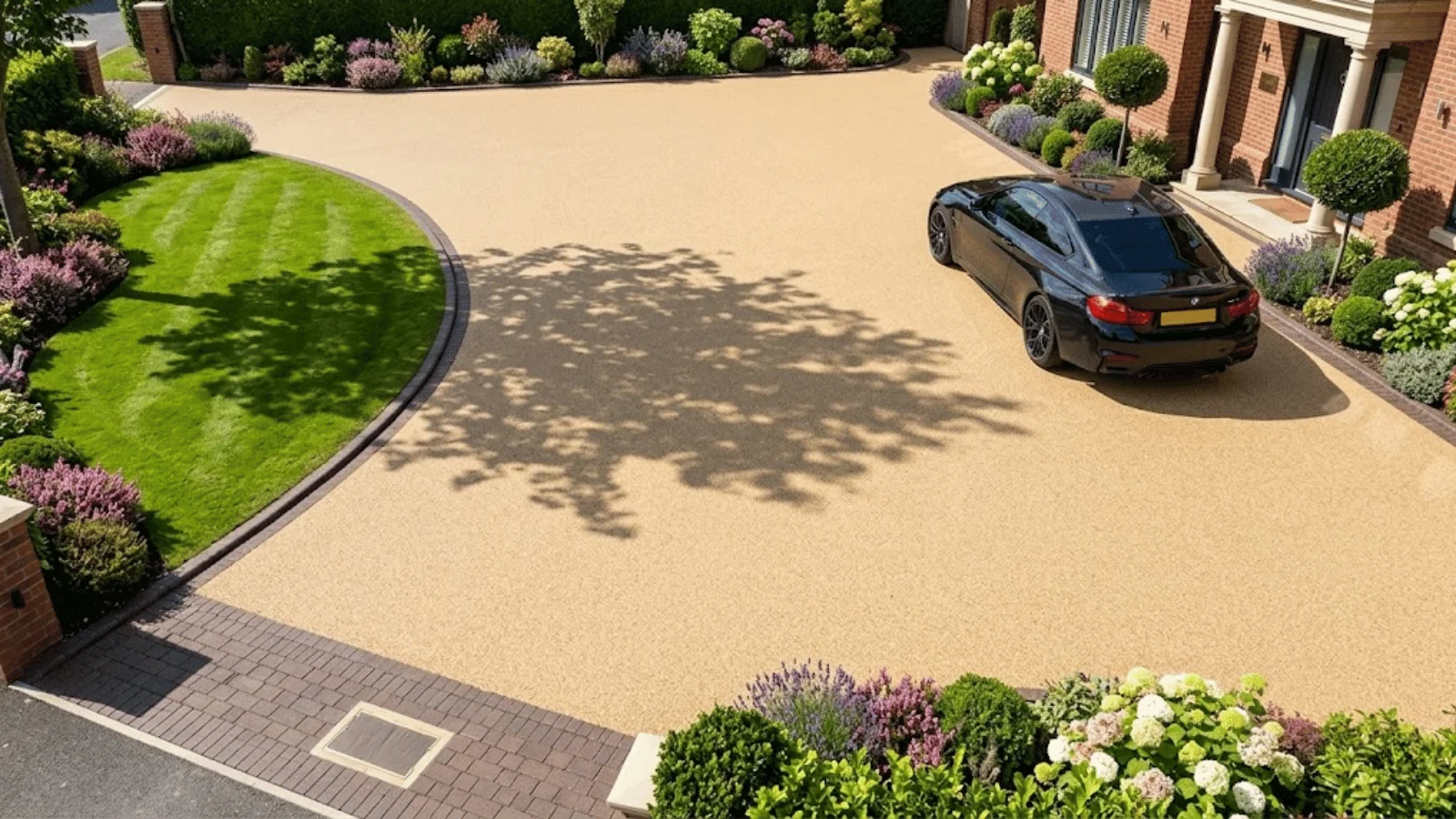
Check whether the same base strategy is being priced
A resurfacing quote that retains a suitable base is not the same scope as a quote for removal and reconstruction. Either may be appropriate depending on the existing surface, so compare the proposed base strategy before comparing totals.
If assessment finds major movement, widespread failure or unresolved drainage issues, resurfacing may not be suitable. Gorilla Surfaces does not provide full replacement or standalone repair work, so any required work by others should be clear before quoting.
For commercial or high-traffic contexts, staging requirements can also influence this decision. See our commercial planning guide for sequencing considerations.
Which questions should you ask before approving a quote?
Ask what preparation is included, what happens if hidden defects appear, and how variations are handled. Clear variation rules protect both sides and reduce disputes once work starts. If this is missing, budget certainty is weaker than it looks.
Also confirm post-installation support: handover care guidance, review timing, and response process if any defects appear. A thorough quote should define not only what is built, but how outcome quality is verified after completion.
Use a like-for-like quote comparison checklist
Compare quotes on scope detail first, then price. A lower number can become expensive if it excludes base repairs, drainage correction, or edge work that another quote has already included. Apples-to-apples comparison requires matched assumptions.
Use this simple checklist: Is preparation itemised? Are exclusions listed? Is expected downtime clear? Are edging and transitions specified? Is aftercare guidance included? If any answer is no, request clarification before deciding.
Once the assumptions match, you can compare price, timing and proposed finish with a clearer understanding of what each total represents.
Should staged work be priced separately?
If the site must remain partly accessible, ask for staging to be stated as an assumption or separate option. Multiple work zones can change preparation, transitions, mobilisation and the time needed on site; staging does not automatically reduce the total.
Staging is only workable where safe alternative routes, edges and cure periods can be accommodated. Confirm the proposed zones and closures in writing before treating two differently staged quotes as equivalent.
Frequently Asked Questions
What should an Adelaide driveway resurfacing quote include?
It should define the measured area, existing-base assumptions, preparation, surface specification, edges and transitions, drainage interfaces, access or staging limits, cure guidance, exclusions and how variations will be handled.
Why can two similar driveways receive different quotes?
Area is only one input. Base condition, preparation, access, geometry, edges, drainage interfaces, aggregate selection and staging can change the scope.
Can photos provide a final resurfacing quote?
Photos are required for initial qualification and can support a budget discussion, but site conditions and measurements need to be confirmed before a reliable final quote is issued.