What should be planned before works begin?
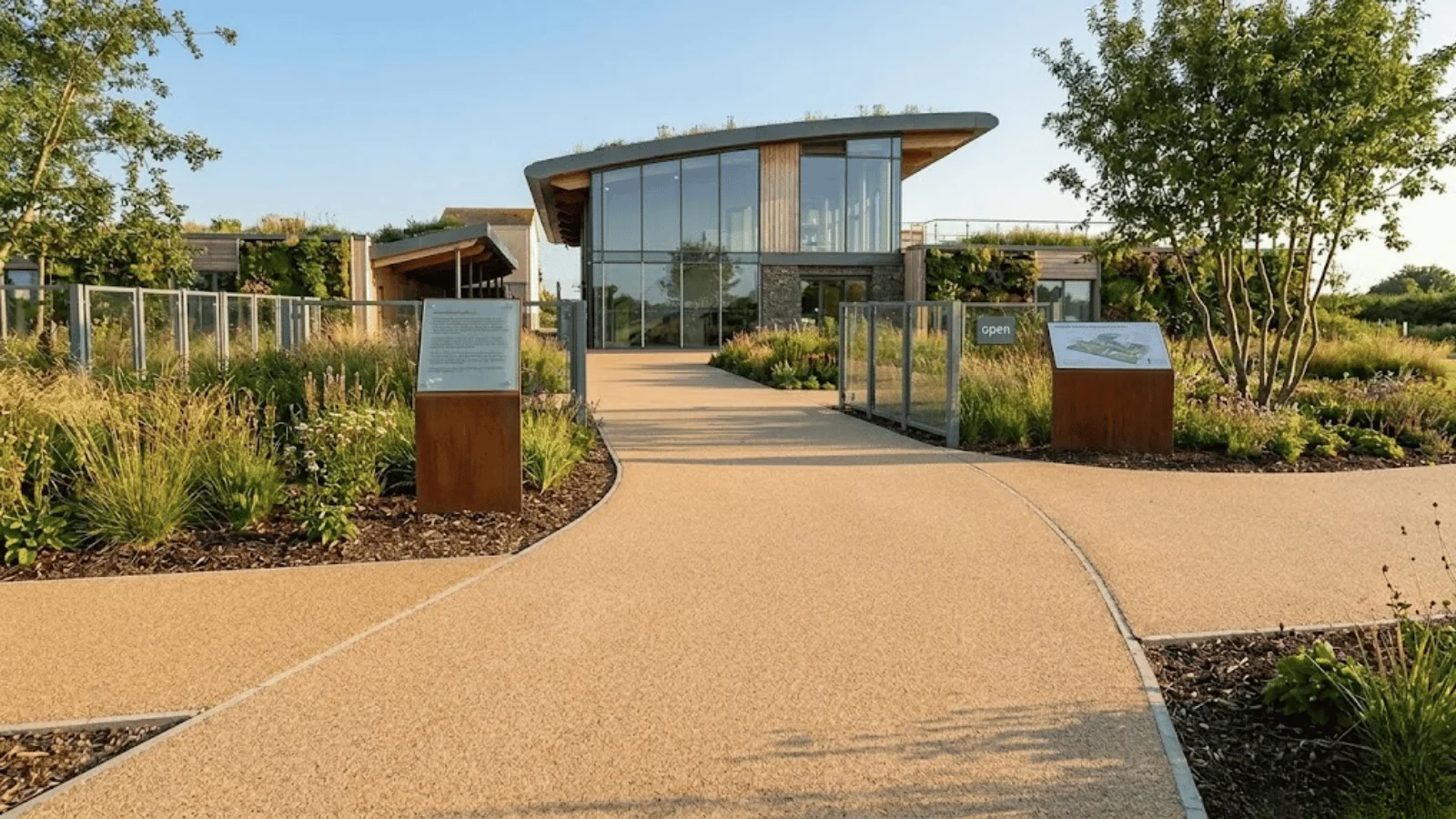
Define access priorities first: emergency routes, customer entries, loading bays, staff parking, service lanes and accessible paths. Then identify which routes may remain available, which need temporary closure and who is responsible for site controls.
Confirm the surface type and condition, expected traffic, measurements, drainage interfaces, operating hours, approval contacts and material lead time before dates are committed. Gorilla Surfaces' commercial service is for exterior resin-bound resurfacing over a suitable stable existing base, subject to assessment.
When can staged work zones reduce downtime?
Staging can split a site into separate sections where the geometry, edges and safe access routes allow it. An alternative entry or loading route may remain available while another zone is closed, but this must be assessed rather than promised in advance.
The active work area must remain closed during installation and cure. People should stay off a new surface for at least 24 hours and vehicles for at least 48 hours, or longer if advised for the conditions. These periods need to be built into the operating plan.
Temporary barriers, wayfinding and stakeholder notices should identify the approved route and closure period. Site-specific safety and traffic controls must be agreed by the relevant parties before work begins.
Which communication steps reduce uncertainty?
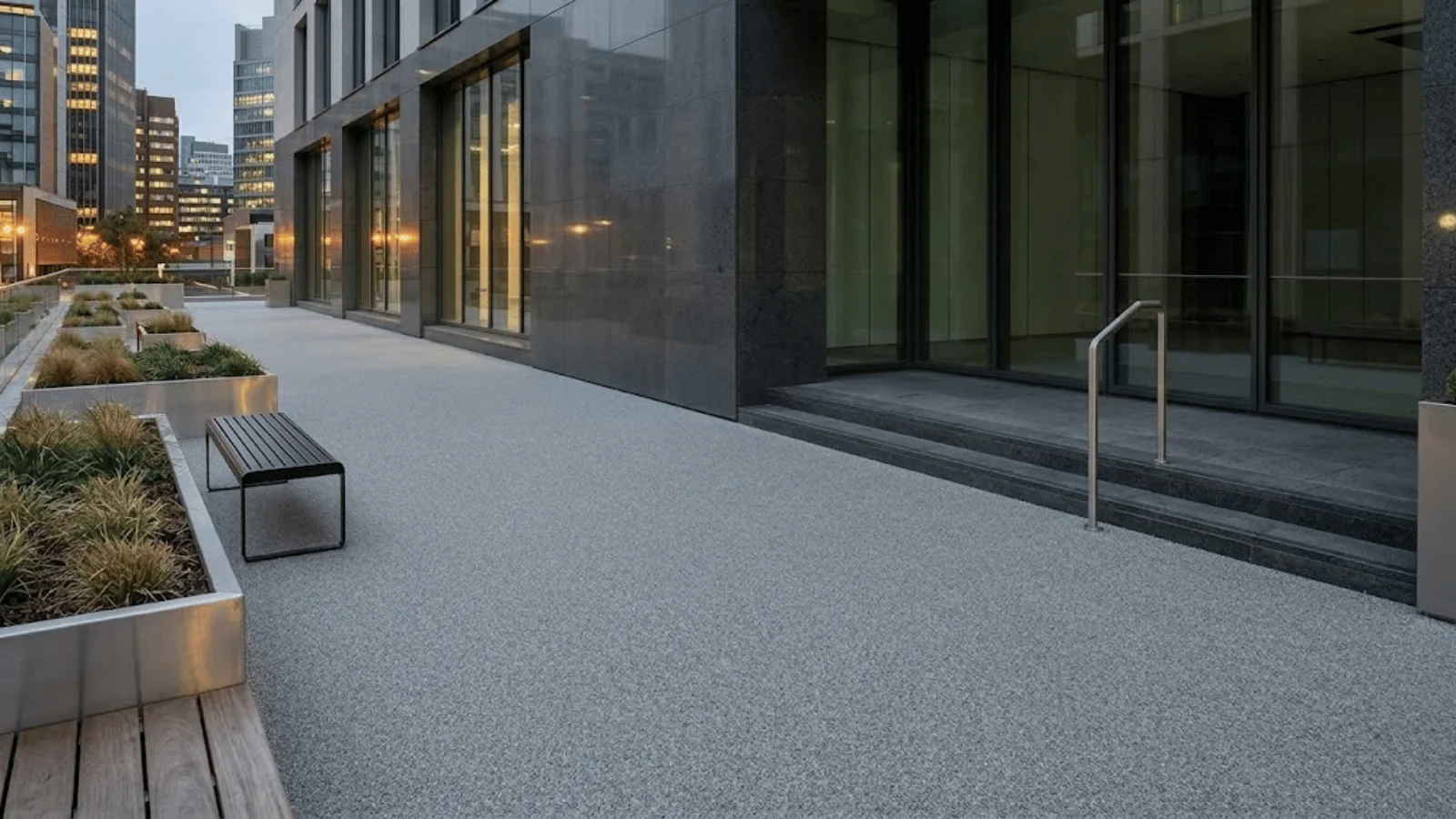
Send notices before each stage with proposed dates, affected zones, alternative routes and reopening conditions. Update them if weather, site conditions or approvals change.
Nominate one site contact who can approve changes and distribute updates to staff, tenants, customers, contractors and delivery teams as relevant.
What scope details should be in the quote?
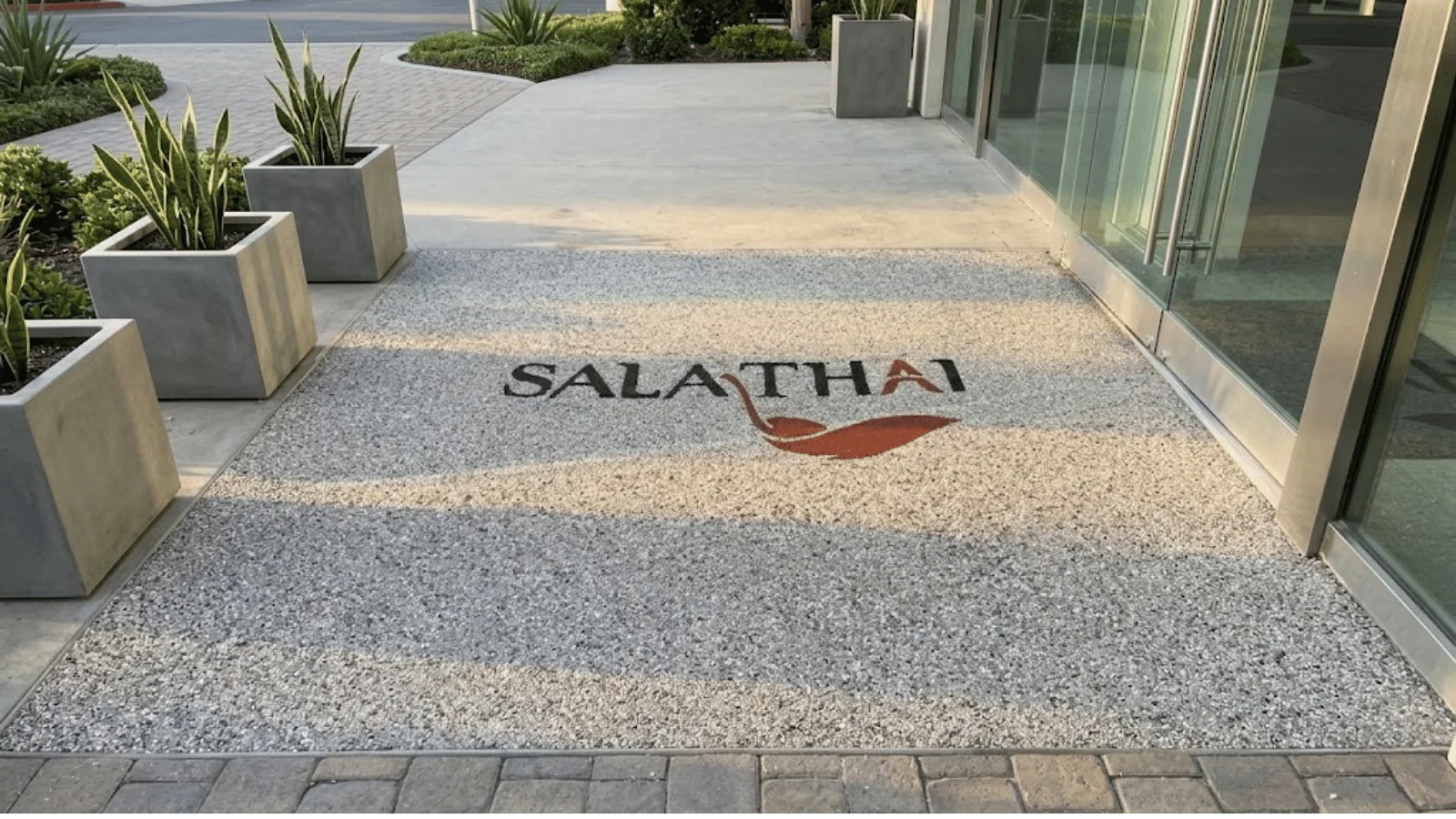
A commercial quote should state the measured zones, existing-base assumptions, preparation, proposed surface system, edges and drainage interfaces, staging assumptions, work-hour constraints, cure and reopening guidance, exclusions and variation process.
For technical project details, review our commercial resurfacing service page and align quote assumptions with your operating schedule.
Frequently Asked Questions
Can commercial resurfacing be completed without closing access?
Not always. Staging may preserve an alternative route where the layout and safe work zones allow it, but the active installation area must be closed. People should stay off the new surface for at least 24 hours and vehicles for at least 48 hours, or longer if advised.
What should a commercial resurfacing program allow for?
Allow for site assessment, base preparation, material availability, weather, work-zone access, stakeholder approvals, installation and the specified cure period. The written program should identify assumptions and any contingency.